


Hair loss can have many causes and poses a major challenge for many sufferers. In our last blog post "What to do about hair loss? – 7 effective tips for your hair growth" we already presented helpful strategies to promote hair growth and reduce hair loss.
Today, we want to go one step further and specifically address the importance of micronutrients and herbal active ingredients in relation to hair. Often, it is hidden nutrient deficiencies that inhibit hair growth and promote hair loss. Learn which nutrients are essential for healthy hair — and why our modern eating habits often pose a challenge for hair health.
1. Nutrient deficiency in today's diet: A reason for hair loss?
Although the problem is now well-known and numerous studies indicate that our food today no longer contains the same quantity and quality of nutrients as 70 years ago, this is often not obvious when shopping at the supermarket. Not only fruits and vegetables are affected — dairy products, meat, and grains have also significantly lost nutrient content over time. But why is that?
1. Nutrient-poor soil
Soils today are significantly poorer in nutrients than they were a few decades ago. Intensive agriculture and monocultures have greatly reduced their fertility. Even if modern mineral fertilizers are used to supply the soil, they can only inadequately restore the natural nutrient balance. These fertilizers mainly contain nitrogen, phosphorus, and potassium, but hardly any essential trace elements.
2. Long transport routes
The long transport routes for fruit and vegetables also contribute to the loss of many nutrients. In order to offer consumers a wide selection of fresh products all year round, many types of fruit and vegetables are imported from distant countries. They are often harvested unripe and only ripen during transport. Due to long storage and travel, they lose a large part of their valuable nutrients.
3. Processing and chemical processes
Modern food processing also has a negative impact on the nutrient content of our food. Processes such as pasteurization and chemical treatments destroy many vitamins and minerals. In addition, pesticides and other chemicals damage the soil organisms that should actually contribute to the enrichment of nutrients in the soil.
4. Environmental pollution
Not only the soil is affected — air pollution also impairs the nutrient absorption of plants. Grains, vegetables, and fruits, in particular, are restricted in their ability to absorb nutrients due to air pollution, which negatively impacts the quality of food.
5. Over-processing and fast food
In addition, the excessive consumption of processed foods contributes to an unhealthy diet. Ready-made meals and fast food are often enriched with empty calories, sugar, and unhealthy fats, but offer hardly any valuable micronutrients. In a society that increasingly values convenience, the natural connection to healthy eating has suffered greatly.
2. Why nutrient deficiency is no coincidence: The most common causes in everyday life
Nutrient deficiency is a widespread problem today — and not just because of nutrient-poor foods. Personal factors also play a crucial role. From lifestyle habits to stress and health problems: Many people underestimate how varied the causes of inadequate nutrient supply can be.
1. Unbalanced diet and ready meals
Many people tend to have a very unbalanced diet, consuming large amounts of carbohydrates or regularly eating ready meals. This diet not only leads to an insufficient variety of nutrients, but also to a deficiency of essential nutrients that the body needs to function optimally. The lack of variety in the diet thus impairs long-term health and vitality.
2. Stress, trauma and psychological strain
Chronic stress has a significant impact on our nutrient requirements. Stress leads to increased consumption of certain vitamins and minerals, especially B vitamins, magnesium and vitamin C. In addition, stress hormones can block the absorption of nutrients in the body, leading to a vicious circle of deficiency symptoms. Traumatic experiences also have long-term effects on the body and can cause hair loss, as they influence the entire physical balance.
3. Gastrointestinal problems
Conditions such as irritable bowel syndrome, Crohn's disease, or celiac disease impair the body's ability to absorb nutrients from food. A disturbed gut flora, such as that found in leaky gut syndrome, makes it difficult for nutrients to reach the intestinal lining and be absorbed there. These problems significantly reduce the utilization of important vitamins and minerals, which can lead to deficiencies.
Our tip: If you want to improve your gut flora and strengthen the intestinal mucous membranes, you can try our Naturperlen darmglück. They support your gut and help optimize nutrient absorption again, so you feel better all around.
4. Medications and their side effects
Certain medications such as antibiotics, stomach acid blockers, or diuretics have a direct influence on the absorption and utilization of nutrients. Especially with long-term use of medications such as birth control pills or cholesterol-lowering drugs, the body's vitamin balance is often disturbed, which can lead to long-term nutrient deficiencies.
5. Lifestyle factors
Smoking and excessive alcohol consumption not only lower the levels of certain vitamins such as vitamin C and folic acid, but also stress the liver, thereby impairing the body's detoxification processes. A lack of exercise also negatively affects metabolic processes, which can impair nutrient absorption in the body, as the entire organism works less efficiently.
6. Age and hormonal changes
With increasing age, the body's ability to absorb nutrients from food decreases. A typical example of this is vitamin B12 deficiency, which is particularly common in older people. Hormonal changes, such as those that occur during menopause, also affect mineral balance, especially calcium and magnesium, thereby increasing the risk of deficiencies.
7. Diets and dietary changes
Radical diets and fasting periods can often lead to deficiencies, as important nutrient sources are reduced or completely eliminated during such dietary changes. A vegan or vegetarian diet can also lead to deficiencies without targeted supplementation, especially with regard to vitamin B12 and iron, which can impair health in the long term.
8. Chronic diseases
People with chronic diseases such as diabetes, kidney disease, or cardiovascular problems have a higher need for certain nutrients. Inflammatory processes in the body associated with these diseases can also disrupt the utilization of nutrients, which can further exacerbate nutrient deficiencies.
9. Genetic predispositions
Some people have genetic predispositions that affect their ability to absorb certain nutrients. An example of this is iron deficiency anemia, where the body has difficulty absorbing iron efficiently. Genetic mutations such as the MTHFR variation also influence folate metabolism, which can lead to an imbalance in nutrient absorption.
3. Micronutrients and plant-based active ingredients against hair loss
Our hair is not only an outward sign of beauty, but also a mirror of our inner health. Therefore, it is crucial to supply the body with the right nutrients to support long-term hair health. Here you will find an overview of scientifically proven micronutrients and their positive influence on hair growth.
1. Vitamin A
Vitamin A is a fat-soluble vitamin that comes in two main forms: retinol, the active form, and beta-carotene, which occurs as a provitamin in plant-based foods. Vitamin A plays a crucial role in regulating hair follicle stem cells. A scientific study showed that retinoic acid dose-dependently influences the function of these stem cells, which can have effects on the hair cycle and wound healing.
Nutrients in POWERHAIR® Essenz: Vitamin A: 600 μg per serving (NRV 75%)
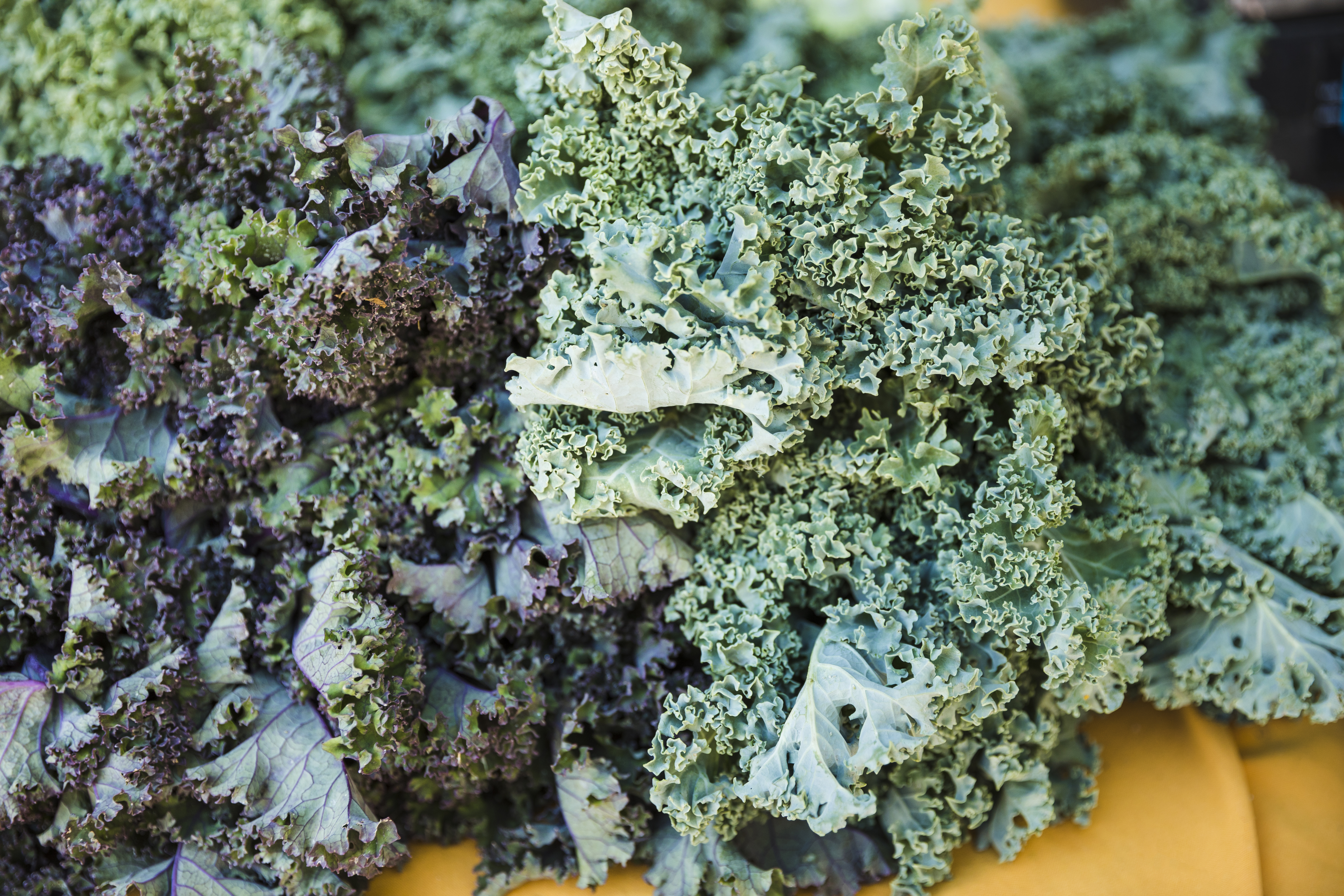
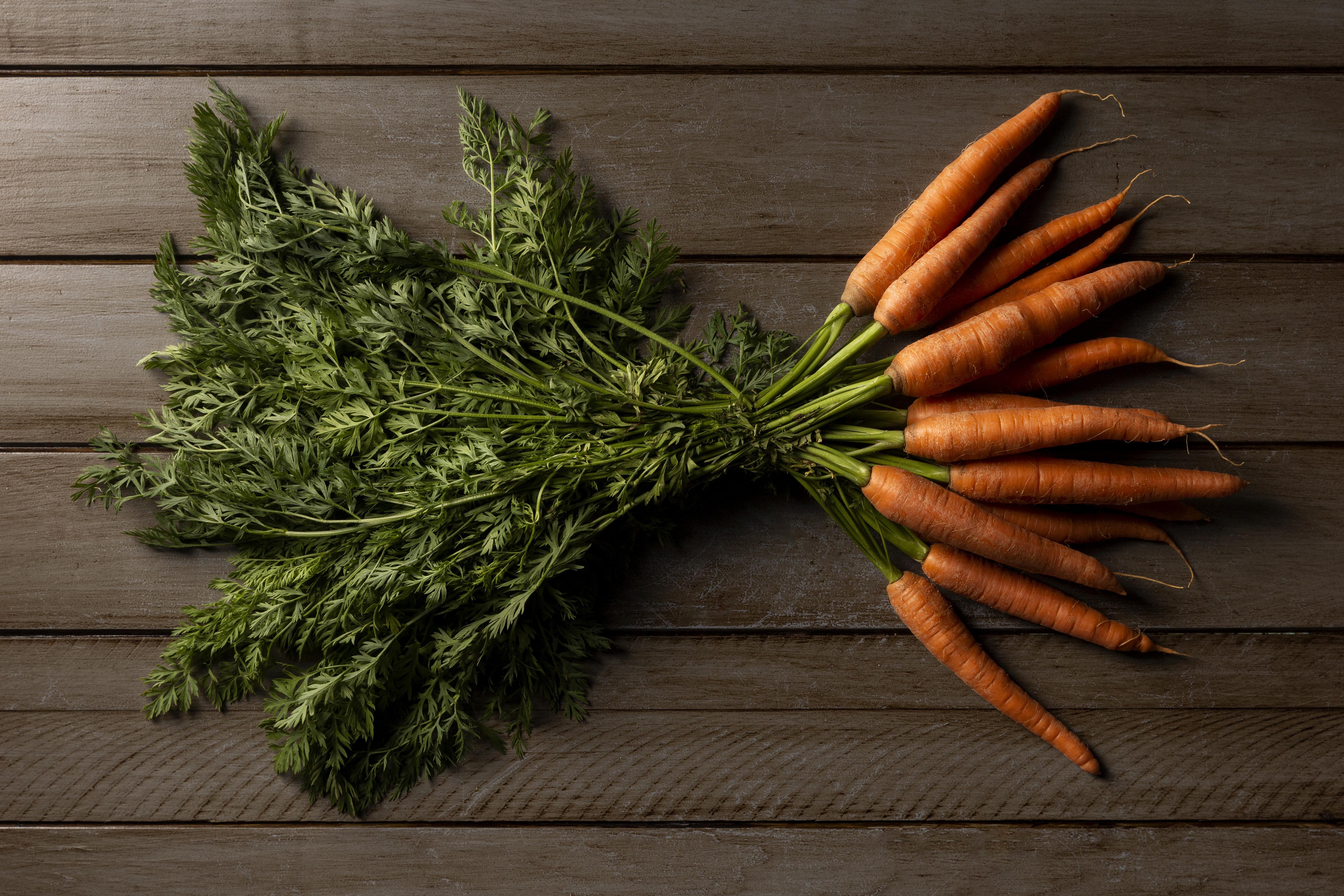
Vitamin A is found in animal products such as liver, fish, poultry, milk and eggs, but also in plant sources such as carrots, pumpkin, tomatoes, peppers and spinach.
2. Vitamin D3
Vitamin D3, also known as cholecalciferol, is not actually a true vitamin, but a prohormone that the body can produce from cholesterol with the help of sunlight. Especially in our latitudes, however, the vitamin D supply is insufficient — in winter, up to 90% of the population is affected. A low vitamin D level can impair the function of hair follicles and promote hair loss. A study by Saini, Mysore & DipRCPath (2021) showed that a deficiency in vitamin D is associated with reduced hair follicle function.
Nutrients in POWERHAIR® Essenz: Vitamin D3: 20 μg per serving (NRV 400%)
Vitamin D is only found in small amounts in food. The body must produce the majority — about 80% — itself. Good sources include egg yolk, milk, liver, salmon, sardines, tuna, avocados, mushrooms, and sesame oil.
3. Vitamin E
Vitamin E is known for its antioxidant properties, which can help reduce oxidative stress in cells. Oxidative stress can accelerate the aging process of hair follicles — this can lead to increased hair loss, weaker hair growth, and even premature graying. A randomized, placebo-controlled study showed that daily intake of tocotrienol capsules over eight months significantly increased hair density in individuals with hair loss.
Nutrients in POWERHAIR® Essenz: Vitamin E: 45 mg per serving (NRV 375%)
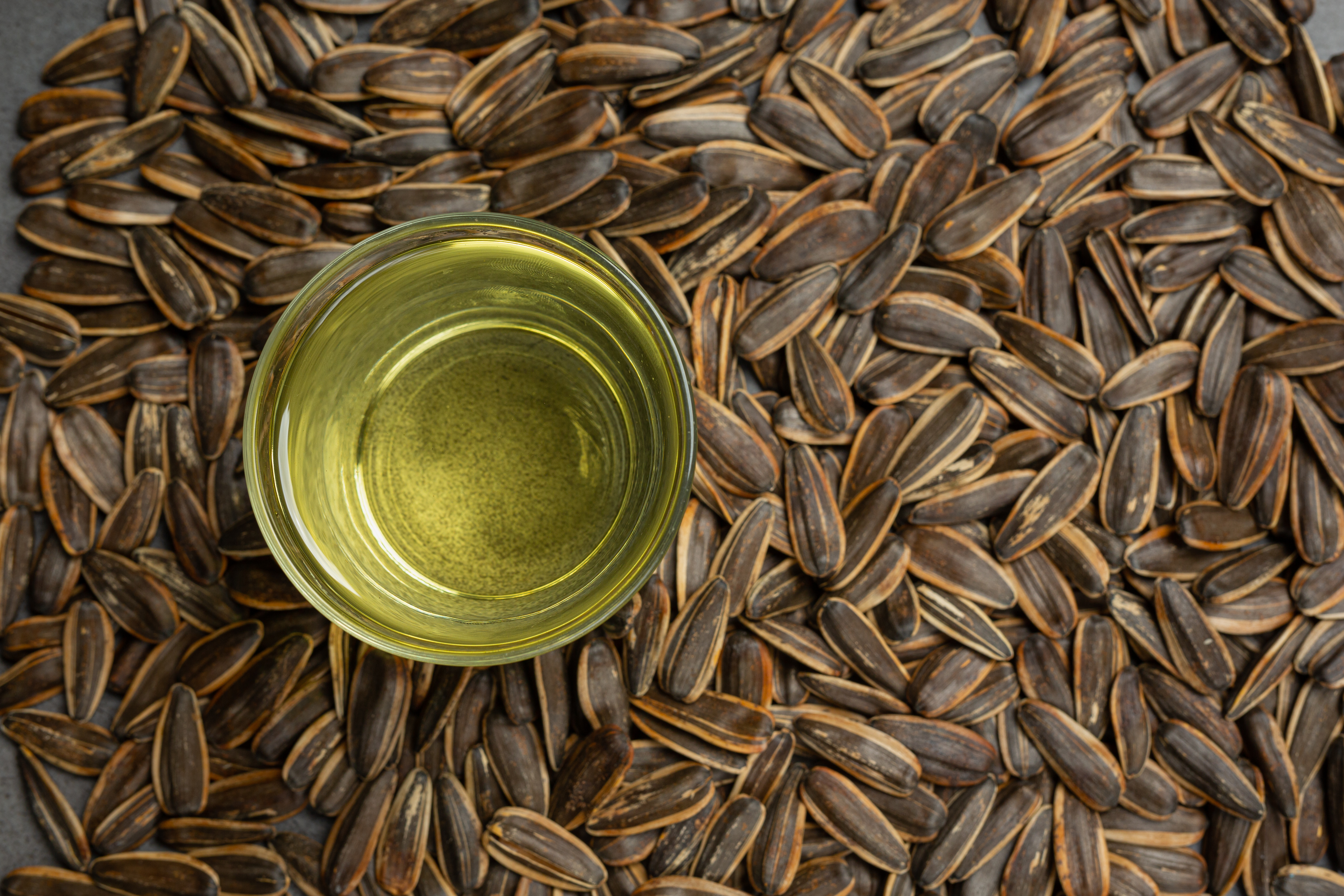
Vitamin E is found in nuts, vegetable oils, seeds, green leafy vegetables, and whole grains.
4. B vitamins
B vitamins promote blood circulation to the scalp and supply hair follicles with essential nutrients necessary for healthy hair growth. A 2018 study confirms that B vitamin supplements can improve hair condition if there is a deficiency. Biotin (vitamin B7) is particularly well-known, often referred to as the "hair vitamin," and plays a central role in hair loss. However, biotin supplementation alone is often criticized, as a holistic approach that considers all vitamins and nutrients is seen as the more effective path.
Vitamin B6 also promotes hair growth as it supports the production of keratin in hair follicles. Studies show that a combination of vitamin B6 and L-cysteine can prevent hair loss and improve hair condition, especially in stress-related hair loss or hair loss during chemotherapy.
Folate is an essential nutrient that must first be converted into its active form in the body to support numerous important functions. A deficiency can manifest itself through changes in skin, nails, and hair. Vitamin B12 is necessary for the body to properly utilize folate. Together, folate and B12 could promote hair growth — although research has not yet answered all questions about their influence on hair loss, the connections show that both vitamins are important for healthy hair. Pantothenic acid (vitamin B5) also ensures beautiful skin, firm connective tissue, and promotes hair growth.
Nutrients in POWERHAIR® Essenz: Vitamin B1 (Thiamine) 7.5 mg (NRV 682%) · Vitamin B2 (Riboflavin) 3.2 mg (NRV 225%) · Niacin 12 mg (NRV 75%) · Vitamin B6 15 mg (NRV 1'071%) · Folate 300 μg (NRV 150%) · Vitamin B12 42.5 μg (NRV 1'700%) · Biotin 5 mg (NRV 10'000%) · Pantothenic acid 13.5 mg (NRV 225%) — each per serving.
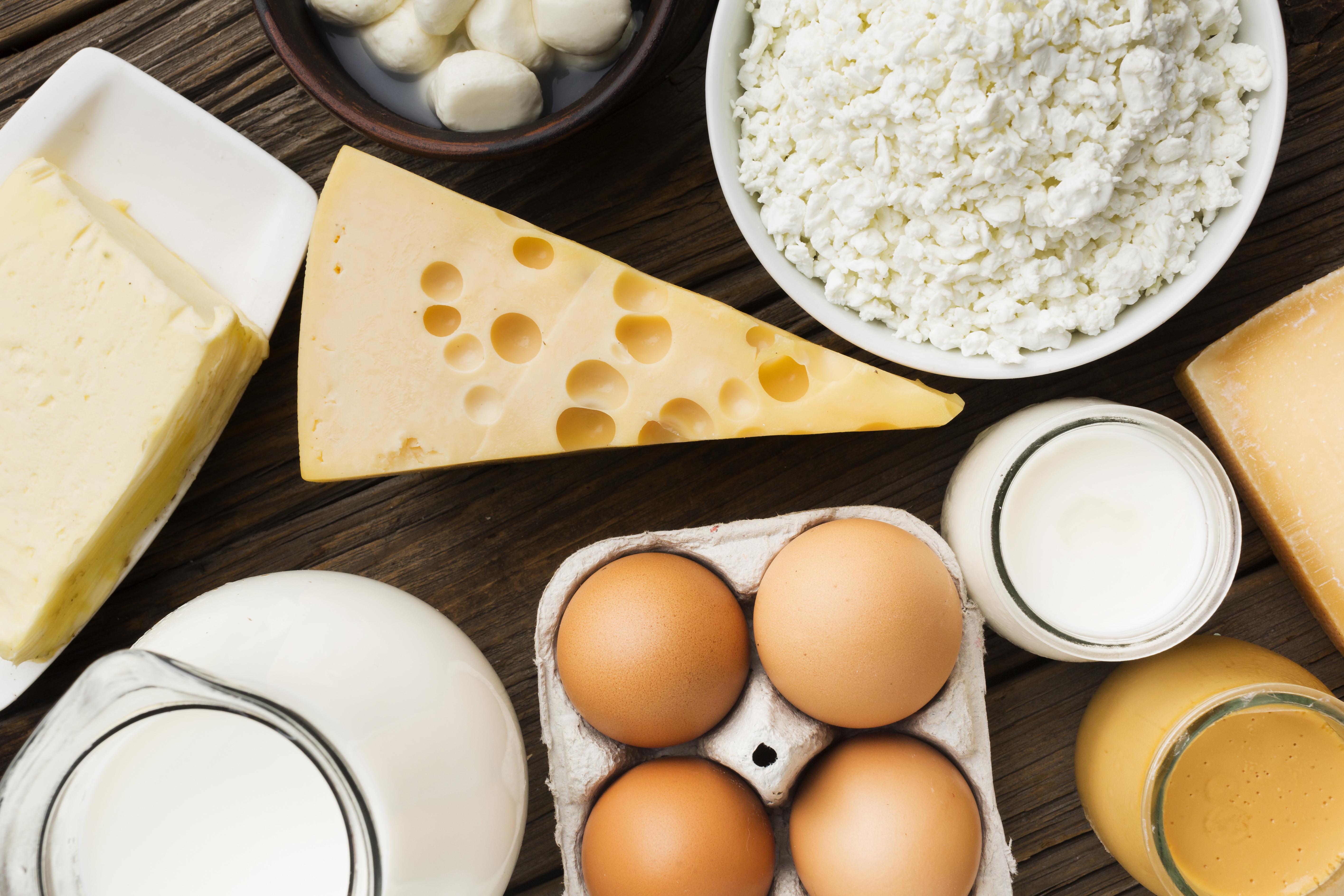
Vitamin B1 in whole grains, legumes, pork, seeds and nuts · B2 in dairy products, eggs, green vegetables and liver · B3 in meat, fish, whole grains, peanuts and legumes · B5 in avocados, whole grains, legumes, mushrooms and eggs · B6 in bananas, potatoes, poultry, fish and legumes · Biotin in eggs, nuts, seeds, fish and sweet potatoes · Folate in green leafy vegetables, legumes, oranges and nuts · B12 in meat, fish, eggs, dairy products and fortified plant-based products.
5. Zinc
Zinc deficiency can be one of the causes of hair loss, as zinc plays a crucial role in the hair growth cycle. Zinc is particularly important for the formation of keratin, a protein that strengthens hair structure, as well as the health of hair roots. It also supports the regulation of sebaceous glands around hair follicles, which ensure the proper balance of the scalp.
Studies show that targeted zinc supplementation can positively influence hair growth and stop hair loss in cases of zinc deficiency. A clinical study found that zinc supplements could improve hair loss in people with zinc deficiency. Therefore, regular intake of zinc supplements can be a supportive measure to promote hair health and counteract hair loss.
Nutrients in POWERHAIR® Essenz: Zinc: 5.3 mg per serving (NRV 53%)
Zinc is found in foods such as meat, fish, eggs, milk, nuts, and whole grains.
6. Iron
Iron is a key element in the hair growth process. Low iron levels can lead to brittle hair and hair loss. Research by Trost, Bergfeld & Calogeras (2006) shows the connection between iron deficiency and hair loss.
Iron is a component of red blood cells and necessary for oxygen transport in the body. A distinction is made between animal (bivalent) and plant (trivalent) iron. Animal iron is absorbed 10 to 20 times better than plant iron, as the latter must first be converted in the intestine with the help of vitamin C or citric acid.
Those suffering from iron deficiency should reduce their consumption of milk, calcium, fiber, coffee, and black tea, as these inhibit iron absorption. It is sufficient to avoid these foods 30 minutes before and 120 minutes after meals. A deficiency is particularly common in women between puberty and menopause, as they lose iron through monthly bleeding. Over 75% of women also consume too little iron.
Nutrients in POWERHAIR® Essenz: Iron: 10 mg per serving (NRV 71%)
Iron is found in meat, legumes, nuts, green leafy vegetables, and whole grains.
7. L-Cysteine
L-Cysteine is an amino acid that plays a central role in the formation of keratin — the main component of hair. A study by Plaza et al. (2018) showed that L-Cysteine can promote hair growth and slow down hair loss. Recent studies emphasize the role of L-Cysteine for hair health, as it influences mechanisms associated with hair loss and strengthens hair. Mixtures enriched with L-Cysteine help repair structural damage and reduce hair loss — especially in conditions such as diffuse alopecia.
Nutrients in POWERHAIR® Essenz: L-Cysteine: 400 mg per serving
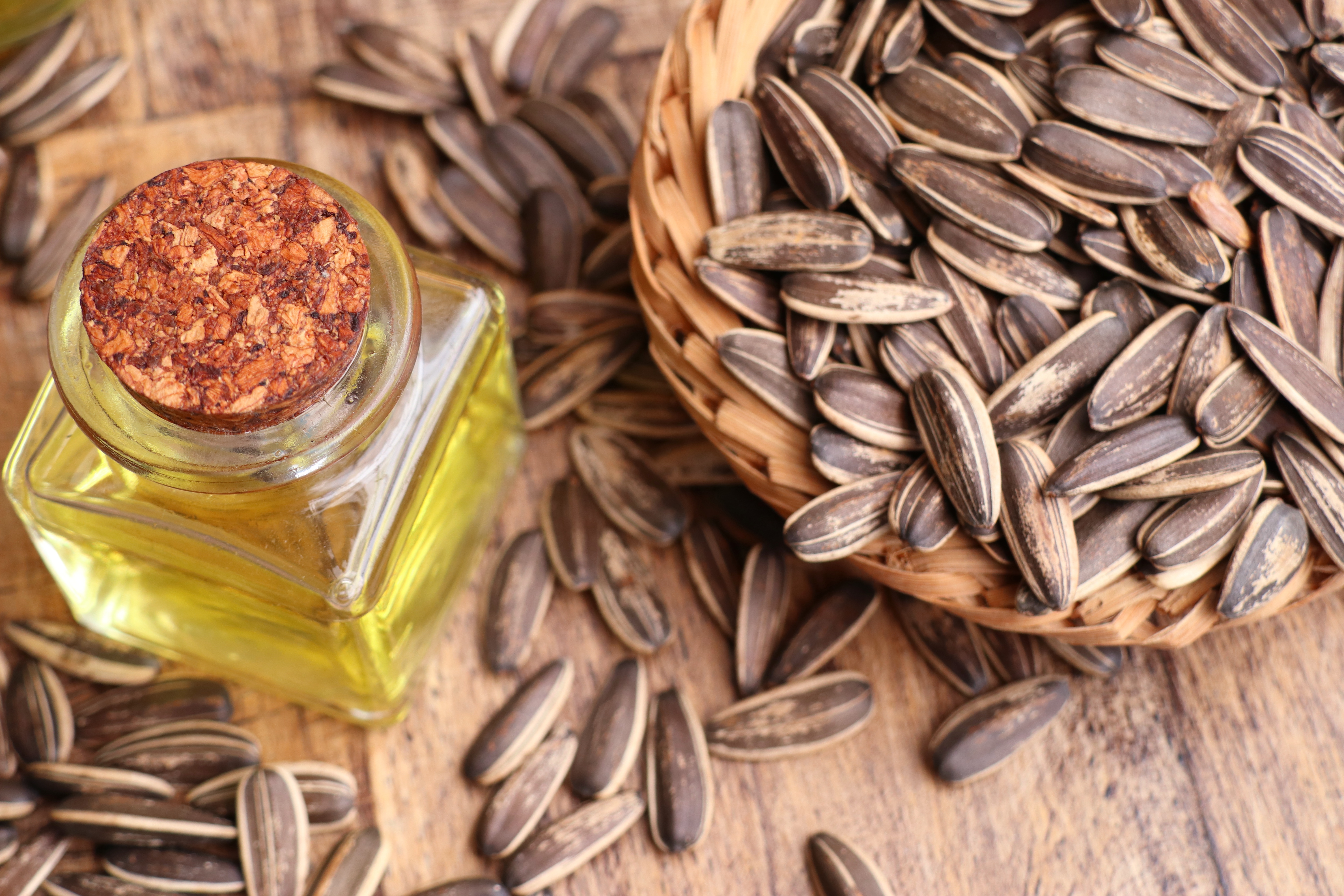
L-cysteine is found in meat, fish, eggs, milk, soy, peas, sunflower seeds, nuts, whole grains, rice, cabbage, corn, oats, onions, and garlic.
8. Grape Seed Extract (OPC Proanthocyanidins)
Grape seed extract, rich in oligomeric proanthocyanidins (OPC), is characterized by strong antioxidant and anti-inflammatory properties. These properties can reduce oxidative stress, which is considered a significant factor in hair loss. Studies show that this plant-based active ingredient can promote hair growth.
Nutrients in POWERHAIR® Essenz: OPC Proanthocyanidins: 100 mg per serving
9. Carotenoids (e.g., Beta-Carotene)
Carotenoids like beta-carotene are known for their antioxidant properties. A healthy diet rich in carotenoids can promote scalp health and thus indirectly support hair growth.
Nutrients in POWERHAIR® Essence: Lutein 3.6 mg · Zeaxanthin 1.1 mg · Astaxanthin 1.1 mg — per serving.
Conclusion: Think holistically — act specifically
Hair loss is rarely the result of a single deficiency — and there is no single miracle cure. Rather, a variety of factors play a role: diet, lifestyle, stress levels, sleep quality, and care — all of these influence your hair growth. That's precisely why we at POWERHAIR adopt a holistic approach.
Our POWERHAIR® Essence alone already combines 32 carefully selected nutrients — significantly more than conventional hair supplements. And if your hair needs more, we develop a personalized blend with up to more than 45 nutrients, tailored to your individual needs. Hair loss does not have to be a permanent condition — with targeted measures, a conscious lifestyle, and personal support, you can give your hair new strength.
Do you want to know what your hair is really missing? Contact us — we will advise you personally and help you find the right solution, whether with POWERHAIR® Essence, Quintessence, or a individually tailored blend that is only yours. Write to us directly or book your free consultation.
Frequently Asked Questions (FAQ)
Which micronutrients are most important against hair loss?
Why do foods contain fewer nutrients today than in the past?
Can gastrointestinal problems cause hair loss?
Sources
Bhardwaj et al. (2024). PMC10969708 · Marles R. (2017). Food Chemistry · Mayer et al. (2022). PubMed 34651542
PubMed 35889909
Saini K, Mysore V & DipRCPath (2021). Journal of Cosmetic Dermatology. Wiley — jocd.14421
PMC3819075
Almohanna HM et al. (2019). PMC6380979 · Biotin & Hair Loss: PubMed 28879195 · Holistic Approach: PMC11694638 · B6 + L-Cysteine: Springer — s13555-018-0278-6 · Folate & B12: PMC9710406 · Pantothenic Acid: PubMed 33085380
Trost LB, Bergfeld WF & Calogeras E (2006). JAAD — S0190-9622(05)04745-6 · PubMed 22741940 · MDPI 1420-3049/23/3/575
Trost LB, Bergfeld WF & Calogeras E (2006). JAAD — S0190-9622(05)04745-6 · MDPI 1420-3049/23/3/575
Plaza et al. (2018). MDPI 1420-3049/23/3/575 · PMC10240182 · PubMed 29510494
ScienceDirect — S0022202X1540418X
MDPI 2079-9284/10/5/120